Emergency unlocking vs lock replacement: when each makes sense
Two very different fixes for the same frustrating moment
A locked door that won't open, or a lock that suddenly feels broken, can stop your day cold. Most people want the quickest solution that gets them back inside without extra cost or hassle. But the right answer depends on what actually happened to the lock and what condition it is in now. Emergency unlocking and full lock replacement solve different problems, and choosing between them matters for both security and convenience.
What emergency unlocking really means
Emergency unlocking is exactly what it sounds like: gaining entry when you are locked out and the door is closed but the lock mechanism itself is still working normally. A locksmith uses specialised tools to manipulate the lock cylinder, lift latch bolts, or work the door hardware without damaging the lock or the door frame. The goal is to get you inside quickly and leave the lock fully functional.
This approach works well for common lockout scenarios. You left your keys on the kitchen counter, the spare key is nowhere to be found, or the key broke off in the lock but the rest of the mechanism is still intact. In those cases, a skilled technician can often have the door open in a few minutes. The original lock stays in place, and you keep using your existing keys.
A good operator will also check that the lock still operates smoothly after the entry. If the key turns stiffly or the latch drags, they may recommend a simple adjustment or lubrication rather than a full replacement. That kind of judgment separates a thorough service from a rushed one.
When replacement becomes the better choice
Lock replacement is a different job with a different purpose. It involves removing the existing lock hardware and installing a new one. A locksmith does this when the old lock is damaged beyond repair, when security has been compromised, or when the lock is simply too worn to function reliably.

Signs that a lock may need replacing include a key that no longer turns smoothly even after lubrication, a cylinder that spins freely without engaging the bolt, visible rust or corrosion that has weakened the internal parts, or a lock that has been forcibly pried or struck. In any of these cases, trying to force the lock open or pick it repeatedly can damage the door frame or the lock housing, making the repair more expensive later.
Another clear reason for replacement is a lost key that could be in someone else's hands. No one can guarantee that a found key won't be used later. Rekeying the lock so that old keys no longer work is an option, but sometimes the lock itself is old enough that replacement costs only slightly more and gives you a fresh mechanism with better security features.
Checking the lock before you decide
Before calling anyone, it helps to assess the situation yourself, if you can do so safely. Look at the lock face, the strike plate on the door frame, and the gap between the door and the frame. If the door is misaligned, a simple unlocking attempt might work but the problem could come back. If the lock cylinder is obviously damaged or misaligned, replacement is likely the only reliable fix.
If you are locked out and the key is inside, the technician will usually start with non-destructive entry. Only if the lock is seized or broken will they recommend cutting the cylinder or drilling it out. A responsible service will explain why that step is needed before doing it. That conversation is your chance to ask for a quote on the replacement hardware and labour before any drilling begins.
Cost and time trade-offs
Emergency unlocking is almost always faster and cheaper than a full replacement. The service call, the unlocking itself, and a basic inspection can be completed in under half an hour in straightforward cases. Lock replacement takes longer because the old hardware must be removed, the new lock fitted and aligned, and the strike plate adjusted if needed. The extra time adds to the labour cost, and the new lock hardware is an additional expense.
That said, a cheap unlock that leaves a failing lock in place can cost you more in the long run if you get locked out again a week later. A good locksmith will give you an honest opinion about the lock's remaining life. If they recommend replacement and you decide to wait, at least you know what to expect.
When to call an emergency locksmith Edmonton
If you are locked out after hours or on a weekend, the fastest way back inside is to call an emergency locksmith Edmonton. These professionals carry the tools and experience to handle both simple lockouts and broken locks on the spot. They can assess the lock, perform an emergency unlock if possible, or replace the lock if necessary, all during the same visit. Having a mobile locksmith arrive with a full van of parts means you don't need a second appointment or another service call.
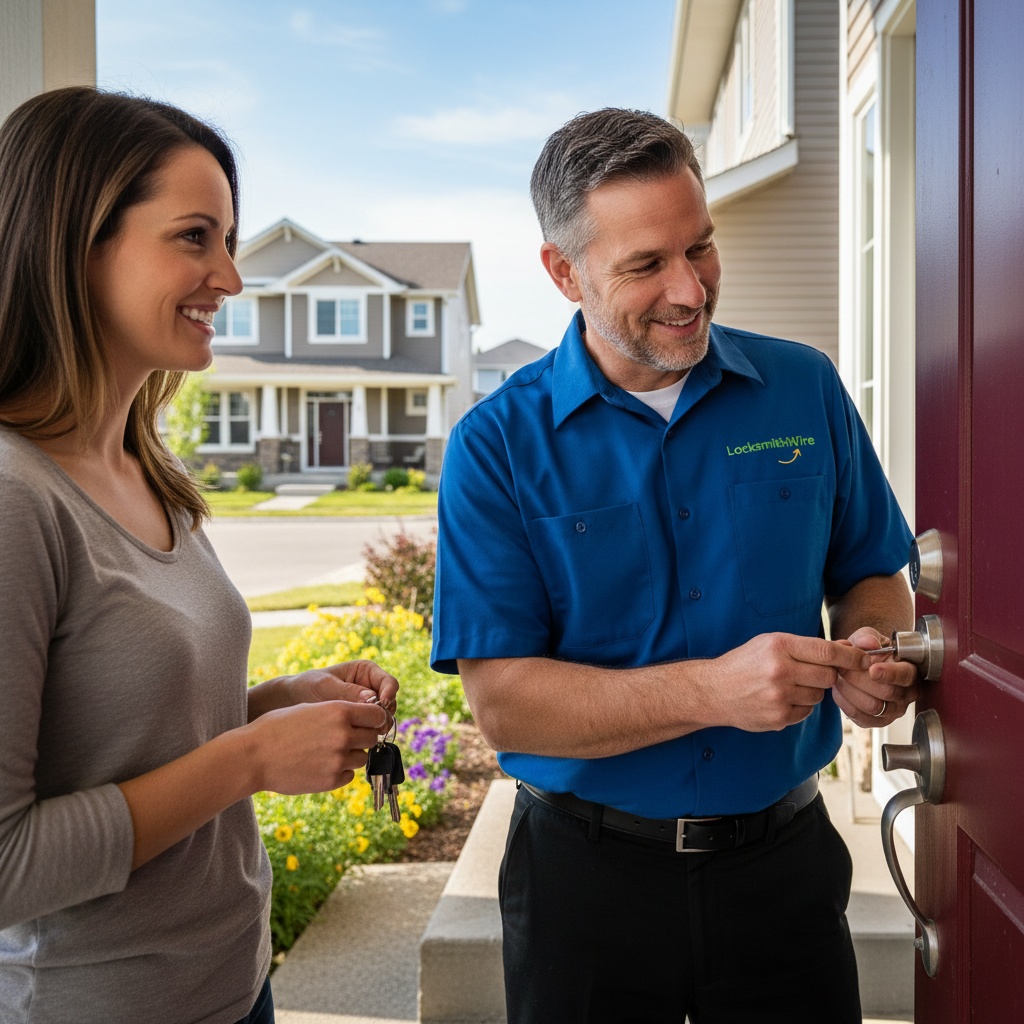
Emergency locksmiths in Edmonton typically offer after hours service, so a lockout at midnight or on a holiday is still something they deal with regularly. Their response time matters most when you are stuck outside in cold weather or in an unsafe area. A good service will tell you the expected arrival time and confirm whether they carry the type of lock you need before they head your way.
What to have ready when help arrives
When the technician shows up, they will likely ask for identification and proof that you are authorised to enter the property. That is a standard security practice. Have your ID ready and, if you are a tenant, a rental agreement or a note from the landlord can help. If you are locked out of a car, the registration and your driver's licence are usually enough.
If you have a spare key somewhere, even if you can't reach it right now, tell the technician. They may be able to get it for you without forcing the lock. Likewise, if you know the lock model or have the original packaging, that information can speed up the replacement if needed.
After the door is open, ask the locksmith to test the lock thoroughly. A quick test with the key should show whether the bolt extends and retracts fully, whether the key inserts and removes smoothly, and whether the lock feels solid when the door is closed. Any hesitation or grinding sound is a sign that the lock needs attention soon.
Prevention after the emergency
Once you are back inside, take a moment to think about what caused the lockout. A missing spare key is an easy fix: make a duplicate and give it to a neighbour or keep one in your car if that is safe. If the lock itself is old, consider replacing it before it fails again. Many locks have a useful life of ten to fifteen years with normal use, but exterior locks exposed to weather may wear faster.
A broken key stuck in the lock is another common problem. If the key snapped because the lock was stiff, replacing the lock eliminates the root cause. If the key broke because it was worn, having a new key cut from the original code can help, but the lock may still need replacement if the cylinder is worn.
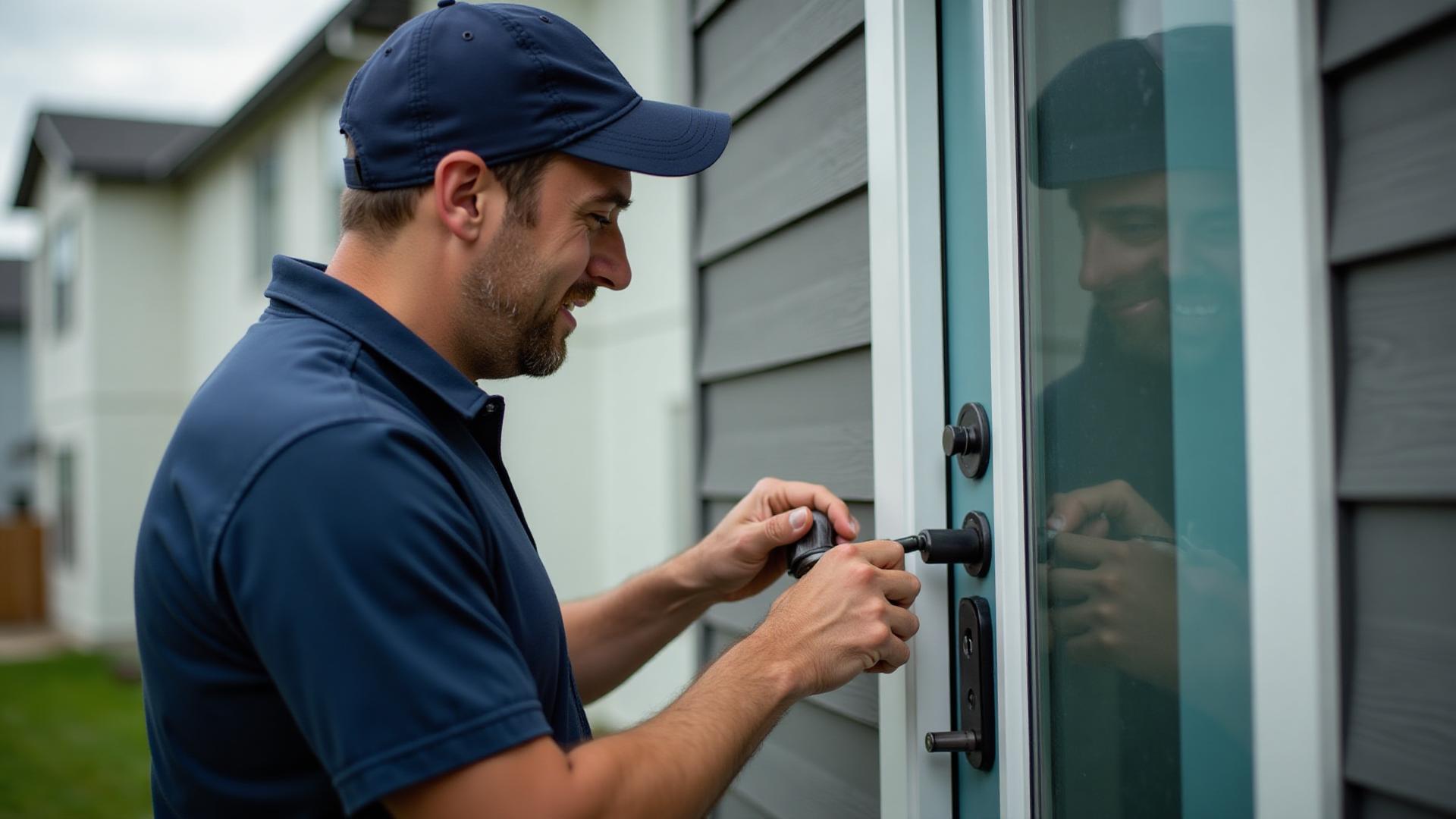
Some homeowners keep a spare key hidden outside. That can work, but it is also one of the first places a burglar checks. A better option is a key safe, a small combination box that mounts out of sight and holds a spare key. That way you have backup access without compromising your security.
Making the call that fits your situation
Emergency unlocking and lock replacement are not interchangeable services. One is a quick fix for a momentary problem, the other is a permanent repair for a worn or broken component. The right choice depends on the lock's condition, the cause of the lockout, and your long-term security needs. A professional evaluation during the service call is the best way to decide.
If you are locked out and your lock is in good shape, an emergency unlock is the logical route. If the lock is damaged, compromised, or simply too old to trust, replacement gives you peace of mind. Either way, knowing the difference helps you ask the right questions and get the service that truly solves the problem.